


How to Evaluate the Performance of Your Bose 901 Equalizer
and Decide Whether to Fix or Replace It
Bose 901 speakers are cherished by their fans, often evoking memories of a specific sound and a different time. For many, they are the ultimate dream audio system. But as a classic system, the equalizer in particular needs care and attention to stay in perfect performance condition.
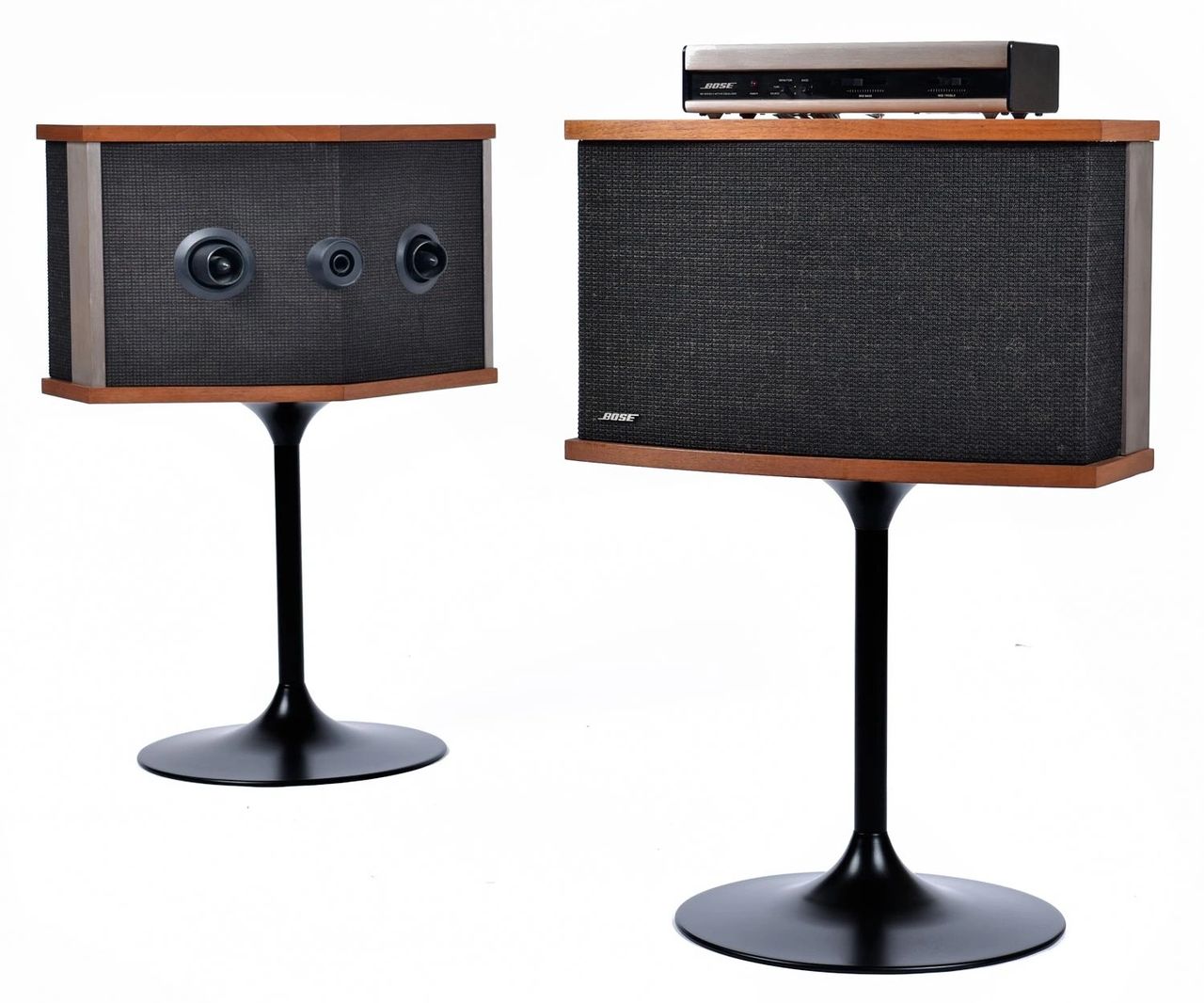
The first Bose 901 speakers were introduced in the 1960s and production ended in the 1980s. While they were state-of-the-art for the time, there have been many technological advancements in the years since. And a lot of time for OEM equalizer parts to deteriorate or fail.
The speakers themselves are fairly bulletproof and typically don’t need much maintenance; the exception being the foam surrounds on Series III and early Series IV. Unfortunately the same can’t be said for the equalizer, which is an essential part of the speaker system. It’s also the one piece that most often fails or is lost entirely.
What does a Bose 901 equalizer do, and why do I need one?
Bose engineers created the original equalizer to enhance the bass and treble. Due to the direct reflecting technology used in the loudspeaker’s design, equalization was necessary to achieve a natural, full range sound.
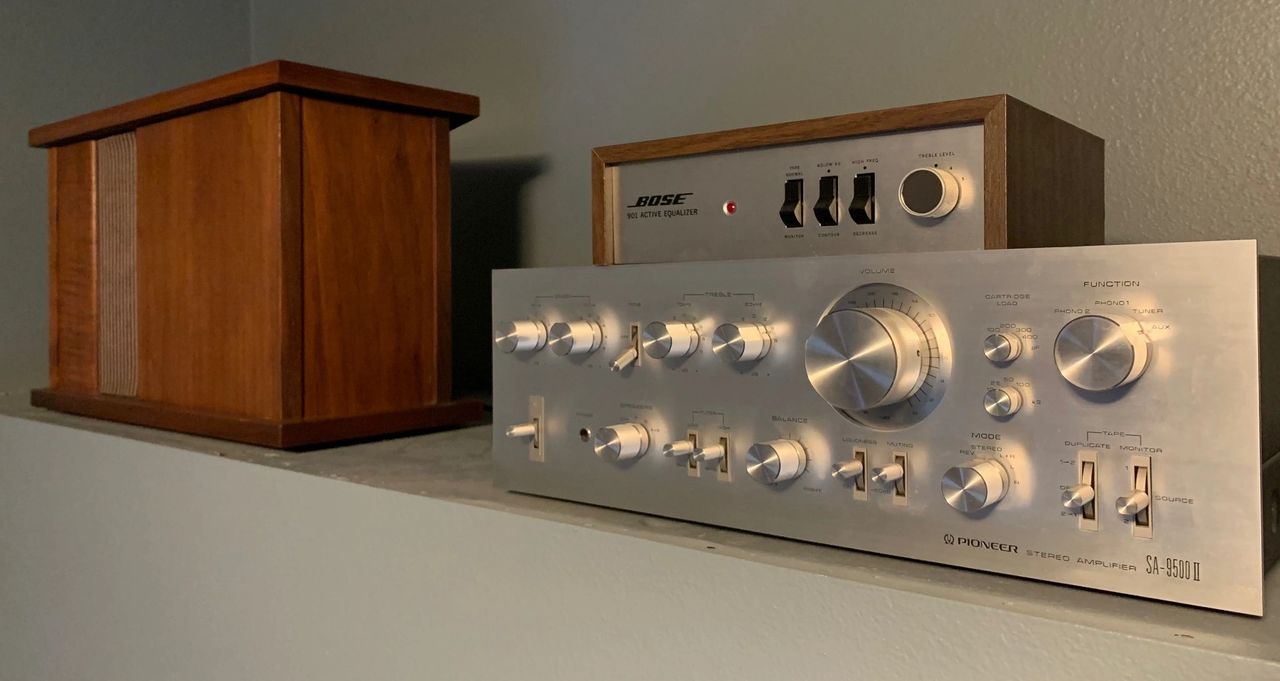
As the speakers evolved from Series I through VI, so did the equalization curves. The curves were improved to closely match and enhance the changing designs of the speaker drivers and enclosure. A properly operating equalizer with series specific curves is necessary to bring life and clarity to the enveloping sound of the loudspeaker design.
Which is better: Old technology versus new technology
To some degree, this question is subjective. If you have an OEM equalizer and everything is operating properly with good performance, you should be fine. You also shouldn’t have any problems if the circuitry has been recently updated, measured and verified, and the equalizer works with no problems. Or you also may want to keep the old technology OEM equalizer for that classic system look. All are valid reasons for keeping or repairing an OEM equalizer.
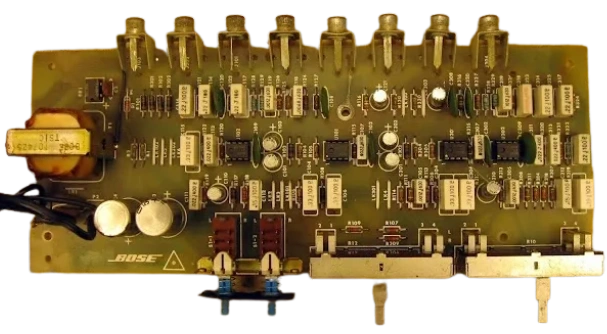
However, if you want to experience the enhanced performance, reliability and advancements of newer technology, you should consider a modern replacement equalizer.
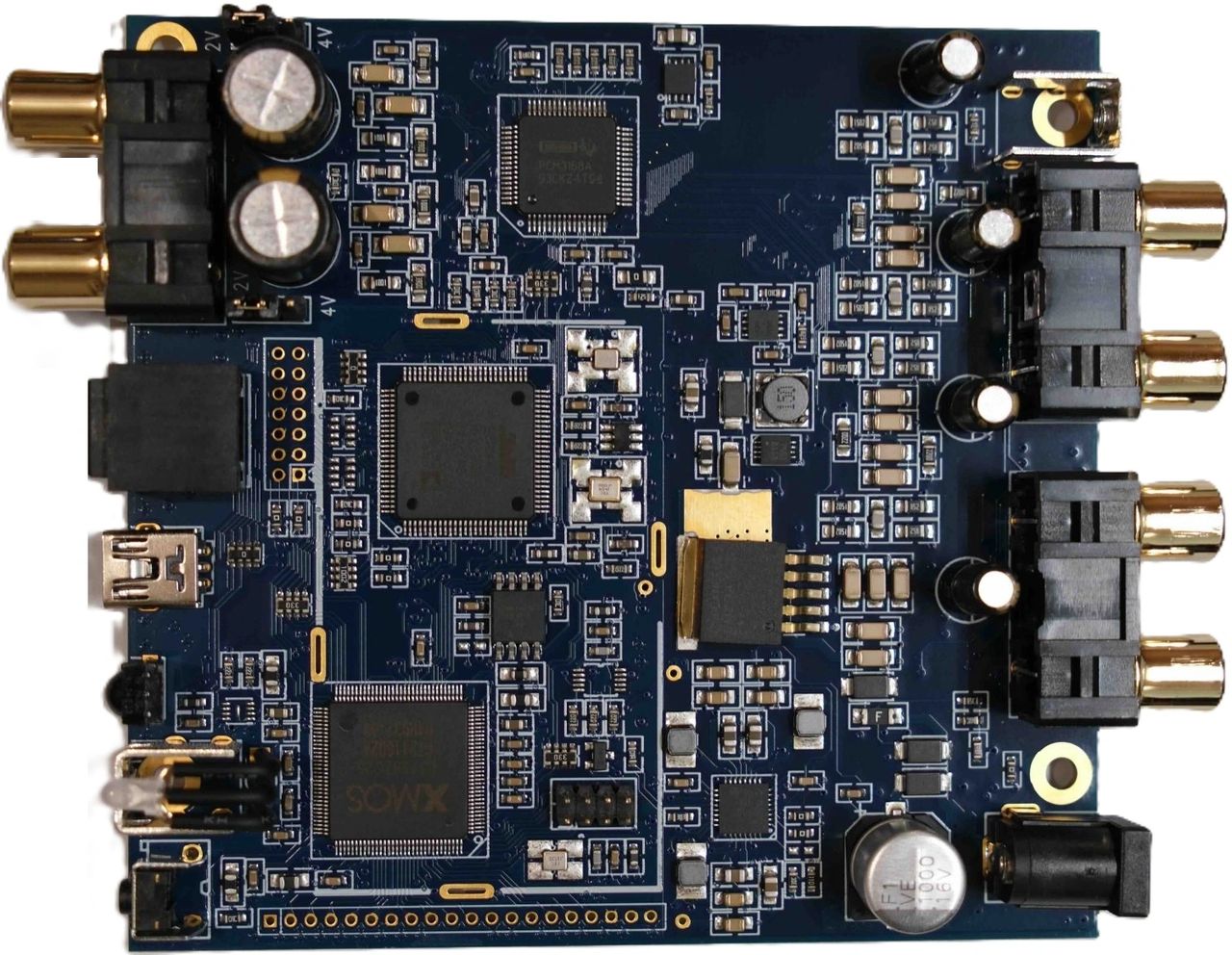
Modern digital signal processing (DSP) offers many new features to enhance the Bose 901 experience, such as direct digital EQ processing and subwoofer active crossover.
When using digital inputs from a modern DSP-based unit, the music stream is maintained in the digital domain all the way through the 901 equalization process. This is the purest and highest fidelity way to drive your 901s. Add in an active crossover for your subwoofer and you'll experience last octave bass extension, reduced overall distortion, clarity, imaging and improved dynamics.
Do I repair or replace my OEM equalizer?
The first step is to evaluate your OEM equalizer. When you're trying to decide if an original equalizer requires servicing or replacement, try the following:
- Listen to the channels individually to determine if the sound from each is similar
- Listen for hum or noise on each channel separately with no input signal to determine if one channel is noisier than the other
- Slide the sliders and switches back and forth with music and also silence to determine if there's excessive noise or dropouts
- Gently wiggle the RCA cables to see if the connections are intermittent
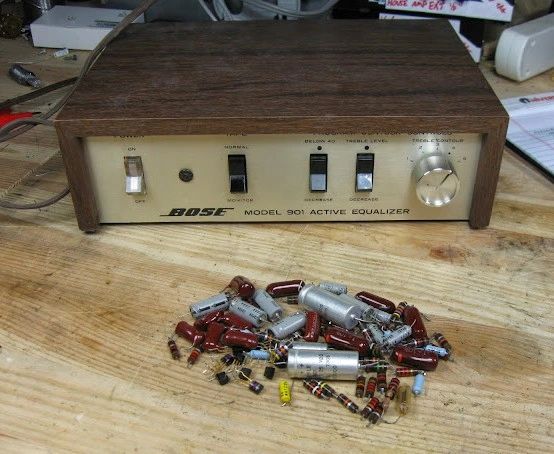
If you decide to replace your unit with another OEM equalizer, you'll need to shop on internet venues such as eBay or Craigslist. At a minimum, you should try to verify the equalizer is working properly by listening carefully through a pair of 901s before purchase.
If an issue is found with either your existing OEM equalizer or one purchased from an internet site, you'll need a good technician with a track record for repairing Bose equalizers. You’ll also want the technician to provide test results after any work has been performed. Again, you’ll need to check the internet, industry forums or word of mouth to find a qualified repairperson.
Do keep in mind that repairs can be expensive and often are temporary, as the original components in an OEM equalizer will continue to fail due to increasing age.
A modern solution
If you decide to explore modern technological advancements with a new replacement equalizer for your Bose 901s, consider the EQ901 series from Deer Creek Audio.
EQ901 equalizers are designed with advanced DSP technology to duplicate the Bose factory response as closely as possible. The equalization curves in the series are based on hours of listening comparisons, technical expertise and extensive testing. They also feature enhancements in dynamic and frequency range for lower noise and distortion.
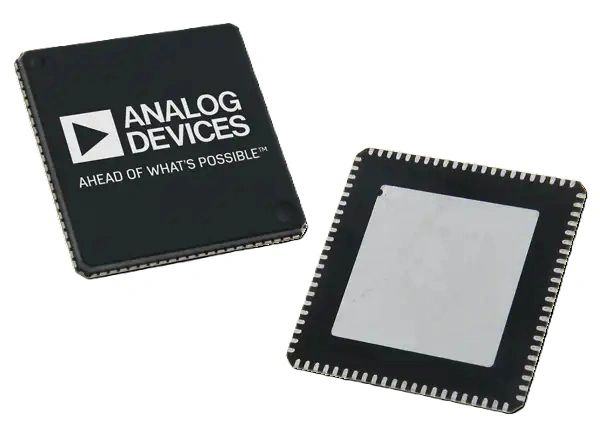
The EQ901 series of replacement equalizers have proven to be extremely reliable, as is the underlying DSP technology provided through miniDSP. With thousands of EQ901 units currently in use, we estimate a meantime between failure of around 23,000 hours.
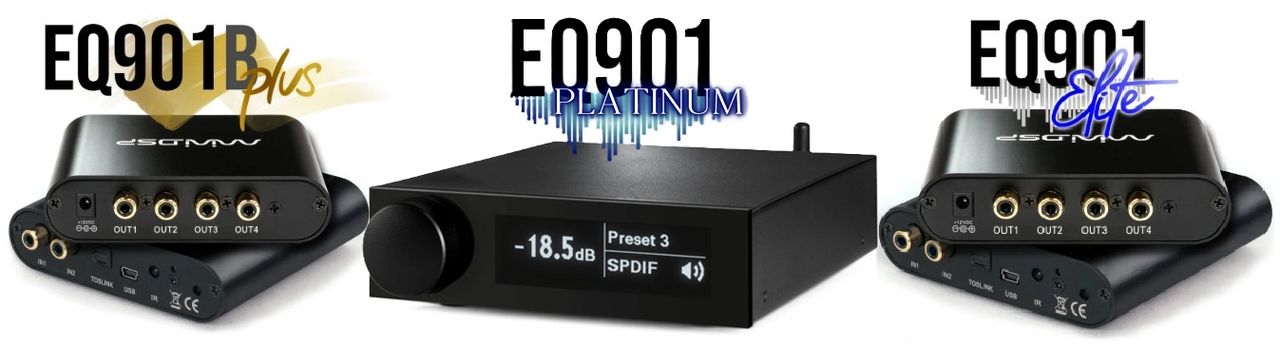
More modern day EQ901 options
As vintage audio equipment and equalizers become more expensive and less reliable, it may be time to check out a modern, high fidelity digital system.
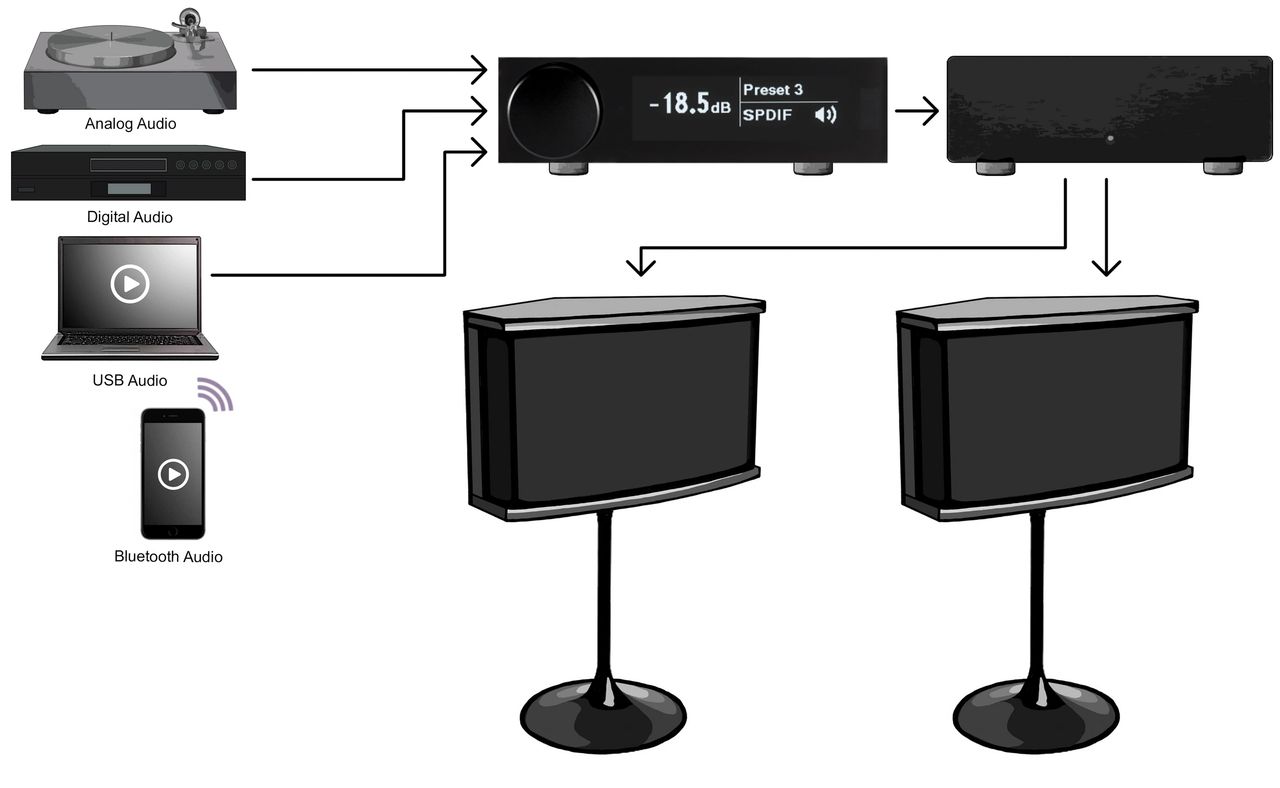
If you're considering replacing a troublesome vintage receiver or amplifier, check out our YouTube Channel for a short video on The Ultimate EQ901 Solution, a system that incorporates an EQ901 Platinum and Hypex amplifier.
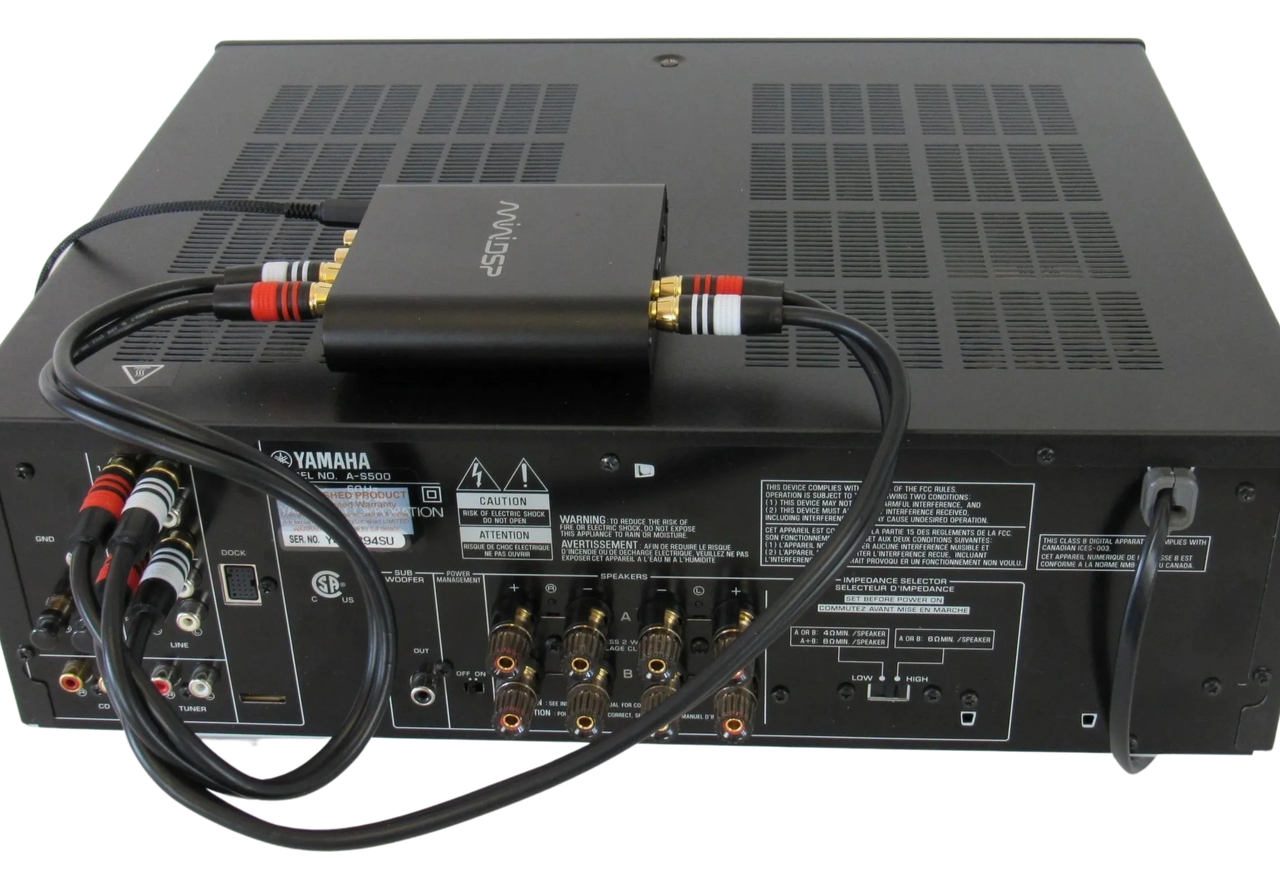
Check out the companion video and more on our YouTube Channel
https://www.youtube.com/@deer_creek_audio
If you have questions or would like to discuss in more depth, feel free to give us a call or drop a line.
Share: